
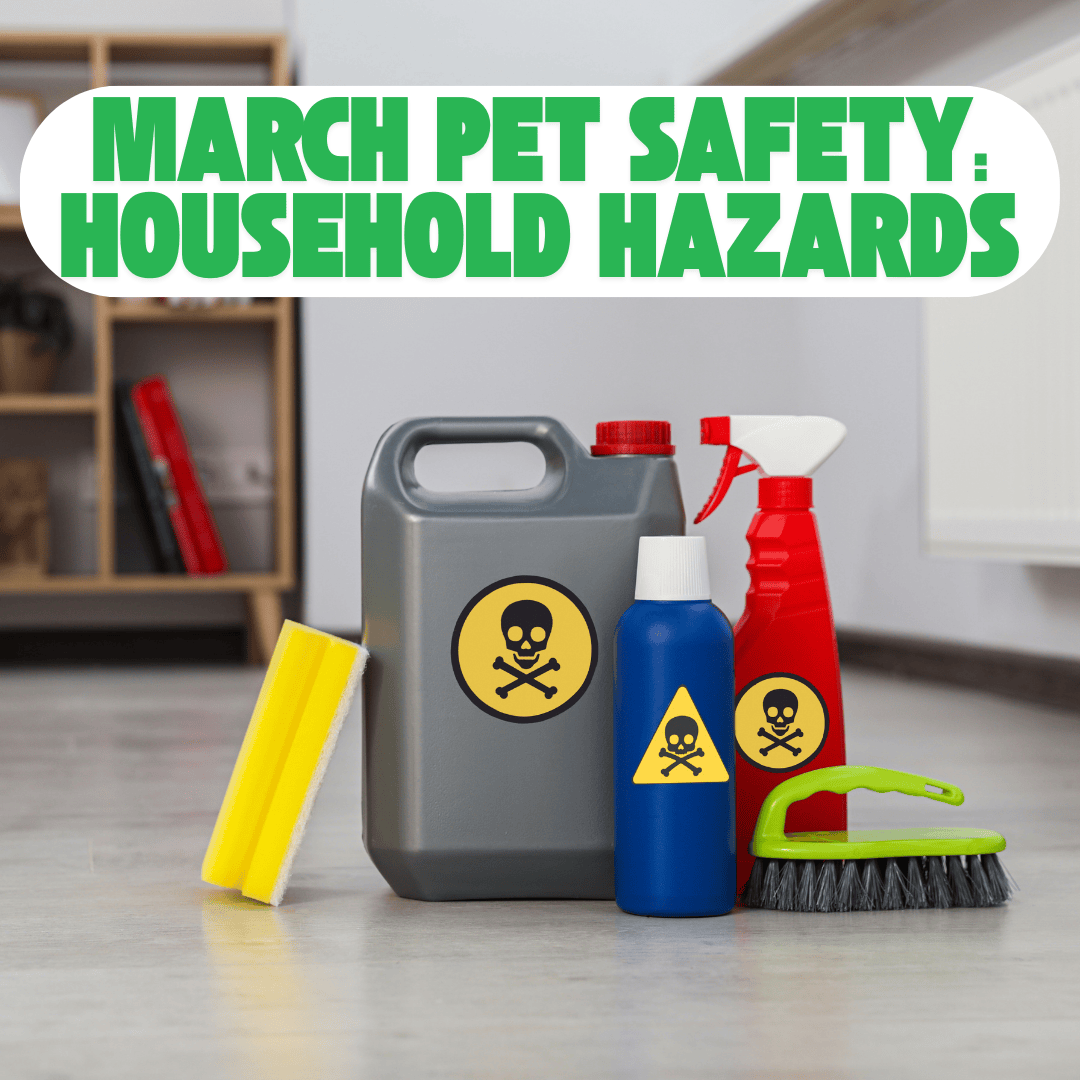
March is more than just a transition from winter to spring; it’s also National Poison Prevention Week. This week is the perfect time to check your Cincinnati home for hidden dangers that could harm your pets. Things that seem harmless to us can be highly toxic to dogs and cats. So, a few simple awareness steps can keep your furry family members safe all month and beyond.
What is National Poison Prevention Week?
National Poison Prevention Week is a public‑awareness campaign held each year to reduce poisoning in animals and people. For pet owners, that means taking a closer look at:
- Medications in medicine cabinets
- Human foods left on counters
- Plants indoors and out
- Cleaning and yard products
As your local pet‑sitting and dog‑walking service in Cincinnati, Stay At Home Pet Services encourages pet owners to “pet‑proof” their homes and update their safety plan every spring.
Common household foods that are poisonous to pets
Some of the most frequent pet poisonings come from foods people enjoy every day. So, keep these out of reach and remind guests to avoid “sharing” from the table:
- Chocolate, coffee, and caffeine products: Toxic to dogs and cats; can cause vomiting, seizures, and in severe cases, heart problems.
- Grapes and raisins: Even small amounts can lead to sudden kidney failure in dogs.
- Onions, garlic, and chives: These can damage red blood cells and may cause anemia in both dogs and cats.
- Xylitol (artificial sweetener): Found in sugar‑free gum, baked goods, and some peanut butters; can rapidly depress blood sugar and cause liver failure.
- Alcohol: Severely dangerous; more than a small taste can lead to vomiting, coordination problems, coma, or worse.
If you suspect your pet has eaten any of these, contact your vet or an emergency pet hospital immediately. Every minute counts.
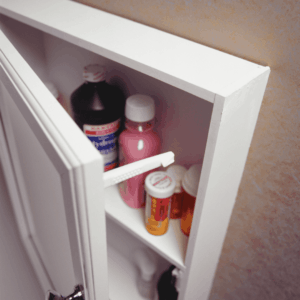
Medications and supplements to secure
Many owners are surprised to learn how quickly pets can get into medications:
- Human pain relievers (ibuprofen, acetaminophen, naproxen): Extremely toxic to pets, especially cats.
- Antidepressants, sedatives, and ADHD meds: Even one pill can cause serious neurological or heart problems.
- Vitamins and supplements (especially iron, calcium): High doses can be toxic, especially to smaller dogs.
A few proactive measures can help ensure your pets don’t accidentally ingest medications or supplements. Close pill bottles firmly, never leave daily pill organizers on low tables, and store all meds in cabinets pets cannot open.
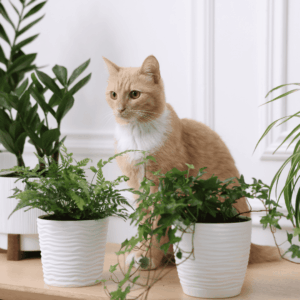
Toxic houseplants and outdoor greenery
Many popular indoor and Cincinnati‑area plants are dangerous for curious sniffers and chewers:
- Lilies (especially true lilies and daylilies): Highly toxic to cats; even a small leaf or pollen can cause kidney failure.
- Sago palm, dieffenbachia (“dumb cane”), philodendron, pothos, ZZ plant: These can cause mouth swelling, vomiting, drooling, and in some cases organ damage.
- Certain outdoor plants and bulbs: As you refresh landscaping or plant spring bulbs, be aware that some tulip and daffodil bulbs or certain ornamental shrubs can also be harmful if chewed.
If you aren’t sure whether a plant is safe, assume it’s risky and place it out of reach or choose pet‑friendly alternatives. To learn more about which plants are toxic to pets, click here.
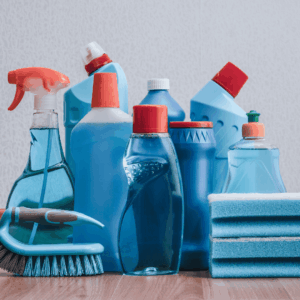
Everyday household cleaners and chemicals
Spring cleaning time means more bottles under the sink and on the floor, which can be a problem:
- Bleach, ammonia cleaners, toilet cleaners, and oven cleaners: Corrosive and toxic if ingested or exposed to skin or eyes.
- Disinfecting wipes and liquids with phenols or essential oils: Many “natural” cleaners still contain toxic ingredients, especially for cats.
- Garage and yard products (antifreeze, fertilizers, weed killers, ice melt): As Cincinnati thaws, remember that traces of antifreeze on driveways or pet‑poisonous fertilizers can attract curious noses.
Always store cleaning supplies in locked cabinets or high shelves, and wipe up spills promptly. When using our pet‑sitting service, we rely on pet‑safe cleaning methods in your home unless you specify otherwise.

What to do in an emergency
Prevention is best, but if your pet does get into something toxic:
- Stay calm and check what they may have eaten or contacted (take a photo or bring the container if possible).
- Call your vet, an emergency vet, or a pet poison helpline immediately (855-764-7661); do not wait for symptoms.
- Follow instructions; do not induce vomiting unless directed, as it can worsen some poisonings.
Additionally, Cincinnati pet owners can save an emergency‑vet contact and a national pet‑poison hotline in their phone ahead of time so help is just a tap away.
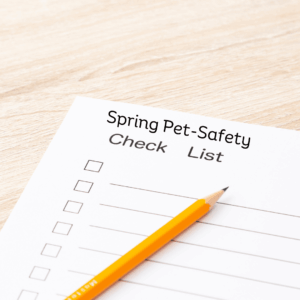
Spring pet‑safety checklist for Cincinnati homes
Use this quick checklist as part of your March routine, especially in preparation for National Poison Prevention Week:
- Store all human medications and supplements out of reach.
- Move or replace toxic houseplants or place them where pets cannot access them.
- Keep chocolate, grapes, xylitol products, alcohol, and onion/garlic items securely stored.
- Secure cleaning supplies, antifreeze, fertilizers, and ice melt in locked cabinets or outside access only.
- Post emergency vet and poison‑control numbers near every phone and in your phone contacts.
When you choose Stay At Home Pet Services for pet sitting or dog walking in Cincinnati, we treat your home like our own. We respect your rules, keep a close eye on your pets’ environment, and provide the peace of mind that comes from proactive, pet‑first care.
Contact Us Today!
Click here to become a client today or give us a call at 513-706-7702. We are located in Cincinnati, OH and service the following areas of East Walnut Hills, Hyde Park, Mt Lookout, Oakley, Norwood, Kennedy Heights, Pleasant Ridge, Tusculum, East End, Mariemont, Fairfax, Madisonville, Mt Washington, Dillonvale, Deer Park, Silverton, Kenwood, Madeira, Indian Hill, and Anderson Township.
Stay safe, and enjoy a healthy, happy spring with your pets!