
Halloween Pet Safety Tips For Cincinnati Pets
Keep your Cincinnati dogs and cats safe this Halloween with practical tips for candy, costumes, trick-or-treaters, decorations, stress, and escape prevention
Halloween is one of the most exciting nights of the year in Cincinnati. From decorated front porches in Hyde Park and Oakley, to neighborhood trick-or-treating in Anderson Township, families are out enjoying costumes, candy, and spooky fun.
For dogs and cats, though, Halloween can be confusing and sometimes risky. Doorbells ring repeatedly, strangers wear unusual costumes, tempting candy is everywhere, and outdoor decorations can create hazards that pets do not understand. At Stay At Home Pet Services, we know that a little preparation can make Halloween safer and less stressful for your pets. Use these Halloween pet safety tips to help your Cincinnati dog or cat enjoy a calm, comfortable holiday.
1. Keep Halloween Candy Away From Pets
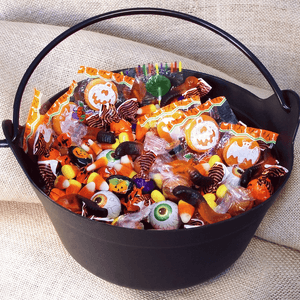
Halloween candy is one of the most common pet hazards this time of year. Many dogs are quick to investigate a dropped piece of candy, an open trick-or-treat bowl, or a child’s unattended candy bag. Cats may be less likely to seek out sweets, but wrappers, chocolate, and certain ingredients can still pose serious risks.
Chocolate contains substances that can be toxic to dogs and cats, especially darker chocolate and baking chocolate. Sugar-free candy can be even more dangerous because some products contain xylitol, an ingredient that can cause a rapid and potentially life-threatening drop in blood sugar for dogs.
Other concerns include:
- Raisins in snack-size boxes or candy mixes
- Macadamia nuts in chocolate or baked treats
- Candy wrappers, which can cause choking or intestinal blockages
- Lollipop sticks, plastic packaging, and small toys from treat bags
- Gum, mints, and sugar-free baked goods containing xylitol
Keep candy bowls on high counters, remind children not to share treats with pets, and empty bags promptly after trick-or-treating. If you suspect your pet ate chocolate, xylitol, raisins, or a large amount of candy, contact your veterinarian or an emergency animal hospital immediately. Do not wait for symptoms to appear.
2. Give Your Pet a Quiet, Secure Space
Halloween can be overwhelming for pets, especially dogs that are nervous around visitors or cats who dislike sudden changes in their routine. The repeated sound of a doorbell, knocking, excited children, and unfamiliar voices can make even normally social animals feel anxious. So, before Cincinnati trick-or-treat hours begin, set up a quiet room away from the front door. Include your pet’s bed, water, favorite toys, and anything else that helps them feel secure. A white-noise machine, fan, soft music, or television can help cover the sound of visitors outside.
For cats, make sure the room includes a litter box, food, water, and a place to hide comfortably. Additionally, do not force a frightened cat to interact with guests. A quiet evening indoors is usually much more enjoyable for them than being part of the action. For dogs, a stuffed food toy, lick mat, or long-lasting chew may provide a helpful distraction. If your dog becomes stressed by the doorbell, consider placing a sign outside asking trick-or-treaters not to ring it.
3. Prevent Door-Dashing and Lost Pets
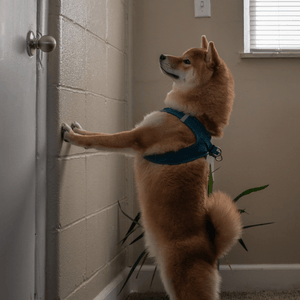
Halloween is a high-risk night for pets getting loose. With the front door opening repeatedly, it takes only a moment for a frightened dog or curious cat to slip outside. Costumes, loud voices, flashing decorations, and traffic can make a lost pet more likely to panic and run farther from home.
Before the evening starts:
- Confirm that your dog or cat is wearing a secure collar with current identification tags
- Make sure your pet’s microchip information is registered and up to date
- Keep dogs leashed for necessary outdoor potty breaks
- Keep cats indoors for the entire evening
- Use baby gates, closed doors, or an exercise pen to create an extra barrier from the entryway
- Check that gates, fences, and doors are securely closed
If you have a dog that tends to bark, rush the door, or become anxious around guests, keeping them in a separate room is not punishment. It is a practical way to protect them from escaping and reduce stress for everyone in the household.
4. Be Careful With Decorations and Candles
Halloween decorations can make your home look festive, but pets often see them as new objects to sniff, chew, knock over, or play with. Take a quick walk through your home and yard from your pet’s point of view before decorating. Additionally, open flames should be kept well away from curious noses and wagging tails. Lit jack-o’-lanterns, candles, and decorative fire pits can cause burns or start a fire if knocked over. Battery-operated candles are a much safer option for indoor pumpkins and front-porch displays.
Also keep an eye on:
- Electrical cords and extension cords that may be chewed
- Fake cobwebs, string lights, and loose fabric
- Small plastic decorations that can be swallowed
- Glow sticks and glow jewelry, which may cause drooling and stomach upset if chewed
- Fog machines, which may bother pets with respiratory sensitivities
- Corn stalks, decorative gourds, and other items that could become choking or blockage hazards
If your dog or cat is likely to investigate decorations, place them out of reach or use pet-safe barriers.
5. Choose Pet Costumes Carefully
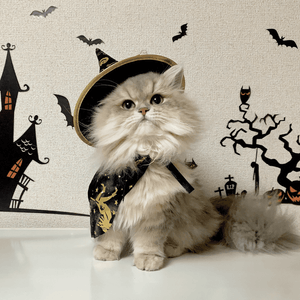
Pet costumes can be adorable, but comfort and safety should come before photos. Some pets enjoy wearing a simple bandana or light shirt, while others dislike anything that restricts movement or changes how they see, hear, or breathe.
A safe Halloween pet costume should:
- Fit comfortably without rubbing, pinching, or limiting movement
- Allow your pet to see, hear, breathe, bark, and move normally
- Avoid dangling pieces that could be chewed or swallowed
- Avoid tight elastic, strings, or small decorative accessories
- Be removed if your pet appears uncomfortable or stressed
Watch for signs your pet does not enjoy the costume: freezing in place, trying to shake it off, pawing at their face, hiding, flattened ears, tucked tail, excessive panting, or refusal to walk. If that happens, skip the costume. A festive collar, bandana, or Halloween-themed pet tag can still make for a cute photo without causing stress. Also, never leave a costumed pet unattended. Even a well-fitting costume can snag on furniture, create a choking risk, or become too warm.
6. Keep Walks Calm and Visible
If your dog needs a walk on Halloween evening, plan for extra noise, traffic, and unexpected sights. A child in a costume may look very different from what your dog expects, and masks, oversized props, flashing lights, or groups of people can make some dogs fearful. Whenever possible, take your dog for a longer walk before trick-or-treating begins. Earlier walks are typically calmer and give your dog time to exercise before the neighborhood becomes busy.
For evening potty breaks or walks:
- Keep your dog on a secure leash and harness
- Use reflective gear, a light-up collar, or a safety light
- Avoid crowded streets and homes with loud decorations
- Keep a comfortable distance from children in costumes
- Skip social greetings if your dog seems unsure or tense
- Bring treats to reward calm behavior and check-ins
Even friendly dogs can react differently when someone is dressed in a mask or moving unpredictably. Give your dog space and do not pressure them to say hello.
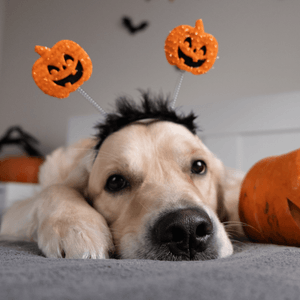
7. Watch for Stress Signals
Dogs and cats communicate discomfort in subtle ways. Recognizing those signals early can help prevent fear from escalating into panic, escape attempts, or defensive behavior. Signs of Halloween stress in dogs can include panting when they are not hot, pacing, trembling, barking, whining, drooling, hiding, refusing treats, tucked tail, pinned-back ears, or trying to escape. Also, cats may hide, become unusually quiet, hiss, growl, swat, crouch low, flatten their ears, or avoid eating until the home becomes calm again.
If your pet is stressed, reduce stimulation. Move them to their quiet area, close curtains or blinds, lower household noise, and avoid bringing them out to meet visitors. If your pet has severe anxiety, speak with your veterinarian before the holiday about an individualized plan.
8. Plan Ahead for Pet Care
Halloween can make schedules busier than usual. You may be attending a party, taking children trick-or-treating, hosting guests, or working late while neighborhood activity is underway. Planning your pet’s care in advance helps prevent rushed walks, missed medications, or anxious pets being left alone during the busiest part of the evening. A professional pet sitter or dog walker can help your pet maintain their regular routine while you enjoy Halloween plans. At Stay At Home Pet Services, we provide dependable in-home pet care and dog walking for Cincinnati families who want their pets to receive attentive, compassionate care.
For many pets, staying at home with familiar smells, routines, and surroundings is far less stressful than spending the night in an unfamiliar environment. A scheduled visit can include a potty break, walk, fresh water, feeding, medication support when applicable, litter box care, and plenty of reassurance.
Make Halloween Safe and Fun
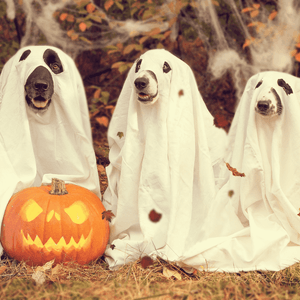
Halloween does not have to be scary for your dog or cat. By keeping candy and decorations out of reach, securing your home, providing a calm space, and respecting your pet’s comfort level, you can protect them while still enjoying the holiday. The best Halloween pet safety tip is simple: if your pet seems overwhelmed, let them sit the festivities out. A cozy room, a familiar routine, and a little extra attention are often the perfect Halloween plan for dogs and cats.
Need Extra Support for Your Pet This Halloween Season?
Need reliable pet sitting or dog walking in Cincinnati this Halloween season? Stay At Home Pet Services is here to help your pets feel safe, comfortable, and cared for at home. We proudly serve pet parents in East Walnut Hills, Hyde Park, Mt. Lookout, Oakley, Norwood, Kennedy Heights, Pleasant Ridge, Tusculum, East End, Mariemont, Fairfax, Madisonville, Mt. Washington, Dillonvale, Deer Park, Silverton, Kenwood, Madeira, Indian Hill, and Anderson Township.
Ready to give your pet a little extra attention during the day? Click here to become a client today, call us at 513-706-7702, or follow Stay At Home Pet Services on Facebook and Instagram for daily pet photos, helpful tips, and updates from our team.